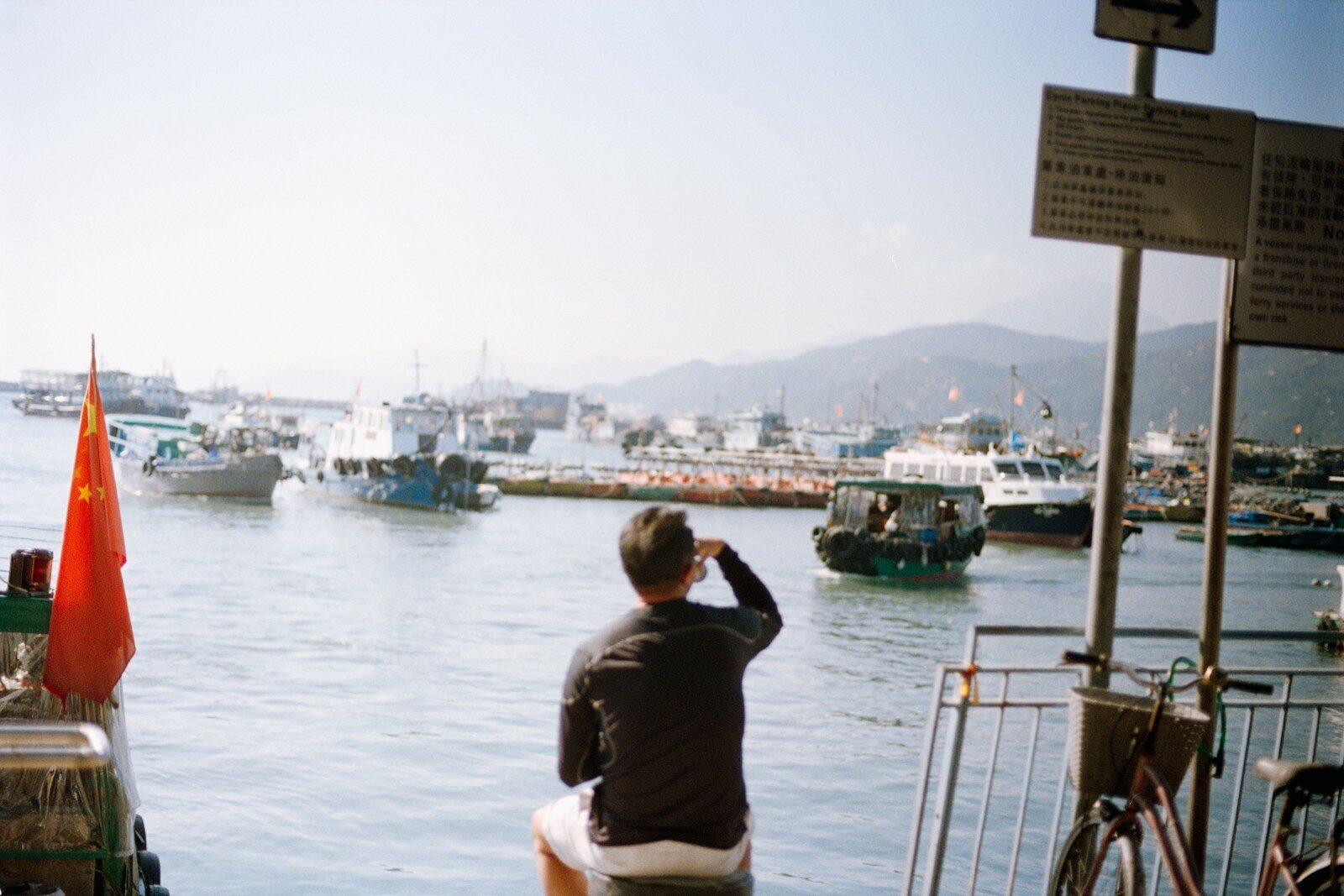
There is something restorative about standing by the water and watching traffic drift past at half the speed of normal life. Not road traffic, with all its urgency and irritation, but the slow, deliberate movement of hulls through a marina, estuary or canal basin. Even people with no intention of ever owning a vessel seem drawn to them. Boats invite a different kind of attention, less about arrival and more about movement, weather and patience.
Part of the fascination is that every craft suggests a story. A cabin cruiser with flowerpots on deck hints at weekend rituals. A workboat, scuffed and practical, speaks of early starts and unglamorous jobs done well. Even those idly browsing boats online are often responding to something larger than a shopping impulse. It is the pull of a different rhythm, where distance is measured in bends, locks, tides and daylight rather than sat-nav estimates.
A slower way of looking
That may be why waterside places feel different from other leisure spots. They encourage observation rather than consumption. You notice details that would be easy to miss elsewhere:
- the knock of rigging against a mast
- the etiquette of passing and mooring
- how quickly the sky changes the colour of the water
At a time when speed and efficiency are treated as virtues, boating culture feels pleasantly resistant. It values maintenance, local knowledge and the fact that conditions are never entirely in your control. You do not need to step aboard to appreciate that. Sometimes it is enough to sit on a bench with a coffee, watching one vessel reverse badly, another glide in neatly, and everyone pretend not to judge. That small drama, repeated on waterways across Britain, is part of the charm.
Photo by Zhen Yao.