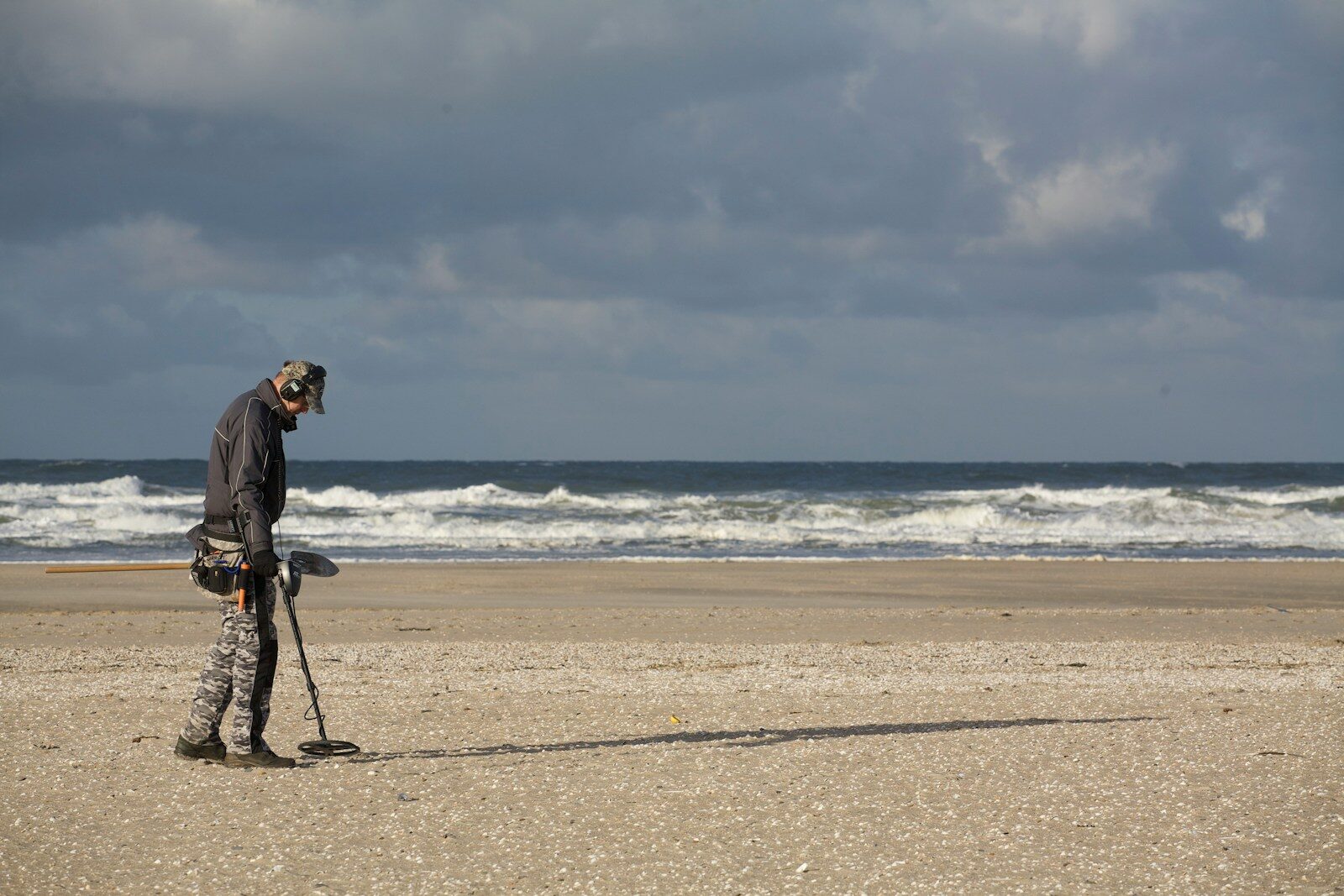
There is something quietly appealing about a hobby that asks so little of modern life. No screens, no notifications, no pressure to perform for an audience, just a field, a bit of patience, and the chance that the next signal might be a Georgian coin, a musket ball or nothing at all. Metal detecting has become one of those pastimes that suits the current moment, especially for people who want more time outdoors without turning it into a competitive sport.
Part of the appeal is the mix of history and chance. You do not need to be an archaeologist to enjoy it, but it does encourage you to see the ground differently. A patch of ordinary stubble can start to feel layered with human activity, from lost buckles to traces of farm work. Even when nothing much turns up, the walk itself is often reason enough to carry on.
As with many country hobbies, the practical side matters more than newcomers sometimes expect. Land access, permissions, reporting finds and basic public liability all come with doing it properly. That is one reason people often look into metal detecting insurance once they start making regular trips instead of trying it once or twice. It is less about drama and more about being organised, especially when clubs, rallies or private landowners want reassurance.
A hobby that rewards patience
What makes detecting different from many leisure trends is that it does not really work if you rush it. The pleasures are small and cumulative:
- learning the habits of local land and footpaths
- recognising signals without digging every one
- understanding the history of an area more closely
That may be why it has such staying power. In a culture obsessed with instant results, metal detecting offers something steadier: a long walk, a bit of curiosity, and the occasional reminder that the ground beneath us still holds stories.
Photo by Fer Troulik.